Posted on Leave a comment

Challenges in Workflow Design for Nonprofit Organizations

Imagine a community service provider dedicated to supporting families in need, working every day to bridge gaps in care and resources. Amid routine challenges—from navigating outdated systems to balancing limited budgets—each team member strives to make a meaningful impact.

Nonprofit organizations face unique operational challenges that directly impact their ability to design and maintain efficient workflows. These challenges stem from resource limitations, complex stakeholder demands, and the inherent pressure to maximize mission-driven outcomes while minimizing administrative overhead. Key issues include resource constraints, outdated technological infrastructure, inefficient communication channels, and compliance burdens, all of which create bottlenecks that hinder scalability and impact. Additionally, the lack of standardized processes, coupled with high staff turnover and volunteer dependency, exacerbates inefficiencies in donor management, service delivery, and program reporting. This post examines these challenges in depth, providing actionable insights grounded in contemporary research and real-world case studies.

Resource Constraints and Operational Limitations
Budgetary Restrictions

The pervasive “nonprofit starvation cycle” exacerbates the challenges of resource constraints and operational limitations, as donors and funders often prioritize low overhead costs, pressuring nonprofits to underinvest in essential administrative and operational infrastructure. This underfunding of overhead—such as staff training, technology systems, and financial management—limits nonprofits’ ability to design efficient workflows that support program delivery and organizational effectiveness. Additionally, restricted budgets often force nonprofits to prioritize immediate program needs over long-term capacity building, leading to fragmented and unsustainable workflows. These financial constraints not only hinder the ability to innovate and adapt to changing circumstances but also create inefficiencies that can compromise the quality and impact of services. To overcome these challenges, nonprofits must advocate for more flexible funding models that recognize the importance of investing in overhead to build robust, scalable workflows that enhance organizational resilience and effectiveness.

While limited budgets set the stage for operational challenges, these financial constraints often ripple into human resource issues and force lean teams to shoulder multiple responsibilities and exacerbate burnout.

Staffing Challenges
High turnover rates and burnout further strain workflow efficiency. Nonprofits frequently operate with lean teams, requiring employees to juggle multiple roles. In the Forvis Mazars 2024 State of Nonprofit Sector Report, inflationary pressures and staffing issues top the list of concerns for nonprofit leaders, with issues in these and related areas often leading to decreased productivity and increased error rates. Compounding this issue, nonprofits often lack dedicated IT or operations staff, leaving technical responsibilities to employees without specialized training or the capacity to take on these types of roles. This gap becomes critical when implementing new systems, as seen in failed CRM migrations where staff revert to legacy methods due to inadequate onboarding.

Automation Adoption Hurdles
While workflow automation tools offer promise, adoption remains low due to budget constraints and technical complexity. Nonprofits often lack the upfront capital to invest in automation platforms, and even when funds are available, implementation timelines can often exceed six months due to customization needs and staff resistance. These hurdles often lead to breakdowns in commitment, communication and increases in scope creep for automation and process improvement projects that places additional strains on resources.

Beyond the hurdles of outdated systems and manual processes, the fragmented technology landscape often fuels deeper issues in communication, creating silos that further complicate collaboration across teams.

Communication and Collaboration Inefficiencies
Interdepartmental Silos
Many can attest that when poor communication between teams remains a persistent issue, various departments like development, program, and finance can often operate in isolation. These silos that are created delay decision-making; for example, a delayed grant report might stem from miscommunication between field staff and administrators rather than actual program shortcomings.

Meeting Overload and Task Switching
Additionally, meeting culture exacerbates workflow inefficiencies. According to a Harvard Business Review study, approximately 70% of all meetings keep team members from completing their work and organizations that reduced meetings by 40% saw a 71% gain in productivity. Despite this, many nonprofits continue to prioritize consensus-building sessions over asynchronous collaboration tools. Approximately 3.6 hours are lost per week to unnecessary meetings and, according to research highlighted by the American Psychological Association, frequent context switching can decrease productivity by up to 40% of a person’s working time, diminishing efficiency with managing tasks and increasing the amount of errors for those tasks.

Compliance and Risk Management Complexities
Regulatory Reporting Burdens
Nonprofits must navigate intricate compliance requirements across fundraising, program delivery, and financial reporting. Manual processes for tracking restricted grants or generating Form 990 filings often lead to last-minute scrambles, with many organizations reporting audit adjustments due to workflow errors. Automated systems could mitigate these risks, but customization costs and fear of data breaches deter adoption.

Data Security Vulnerabilities
Additionally many nonprofits could benefit from updating their workflows to incorporate frequently assessing their data risks, prioritizing protecting personally identifiable information, and considering third-party vulnerabilities, such as outsourced services with inadequate security protocols. Proactive measures, such as regular software updates, strong password protocols, implementing the US National Institute of Standards and Technology (NIST), and staff training, are essential to mitigate risks and safeguard the organization’s reputation and operations.

As nonprofits grapple with the complexities of compliance and risk management, these operational strains inevitably spill over into donor relations, where fragmented systems and manual tracking undermine relationship-building efforts. 

Donor and Grant Management Obstacles
Fragmented Donor Engagement
Fragmented donor engagement poses a significant challenge for nonprofit organizations, often stemming from disconnected systems and inconsistent communication strategies. Without a unified approach, nonprofits struggle to track donor interactions, personalize outreach, and maintain meaningful relationships, leading to missed opportunities for retention and recurring support. Many organizations rely on outdated or siloed tools, making it difficult to segment donors effectively, monitor engagement levels, or identify major gift prospects. This fragmentation not only hinders the ability to nurture long-term donor relationships but also limits the capacity to demonstrate impact and gratitude in ways that resonate with supporters. Implementing integrated donor management software and adopting a structured engagement cycle, like “Ask, Thank, Report, and Repeat,” can help nonprofits overcome these obstacles, fostering deeper connections and sustained donor loyalty.

By integrating robust, scalable workflows and investing in both technology and team development, nonprofits have the opportunity to turn operational challenges into strategic advantages.

Grant Lifecycle Inefficiencies
Grant lifecycle inefficiencies also are a persistent challenge for nonprofit organizations that heavily rely on manual processes, fragmented systems, and a lack of centralized oversight. For instance, many nonprofits rely on outdated tools like spreadsheets to manage the complex stages of grant management—from identification and application to implementation and reporting—leading to missed deadlines, compliance risks, and wasted resources. Without streamlined workflows, organizations struggle to track grant progress, allocate funds effectively, or maintain strong relationships with funders. Similar to the risks as they relate to fragmented donor engagement, these inefficiencies not only increase administrative burdens but also hinder the ability to demonstrate impact and secure future funding. Implementing grant management software can help nonprofits automate repetitive tasks, centralize data, and improve collaboration, ultimately enhancing efficiency and ensuring compliance throughout the grant lifecycle.

Volunteer Coordination Challenges
Scheduling and Skill Alignment
Coordinating volunteers effectively remains a major challenge for nonprofits, particularly in aligning schedules and matching skills to organizational needs. Many nonprofits struggle to integrate volunteers and their expertise into meaningful roles due to inconsistent availability and a lack of structured scheduling systems. While skills-based volunteering can bridge this gap, nonprofits often lack the resources to effectively assess and allocate volunteers based on their professional strengths. This mismatch can lead to underutilization of skills, resulting in frustration for both volunteers and organizations, and ultimately reducing the impact of volunteer contributions. To address this, nonprofits could implement customized, centralized volunteer management systems, such as Notion, ClickUp, or dedicated volunteer software like VolunteerHub or Bloomerang, to track availability, skills, and project needs in real time. Creating standardized intake processes, including skills assessments and automated scheduling, can help ensure volunteers are matched to roles that align with their expertise and availability. Additionally, setting up recurring check-ins and feedback loops through structured workflows can help refine role assignments and optimize volunteer engagement over time. 

Training and Retention Gaps

Additionally, training and retaining skilled volunteers also presents difficulties, as nonprofits frequently lack formalized onboarding and continuous development programs. Without clear training structures, volunteers may feel unprepared, disengaged, or unable to contribute effectively, leading to higher turnover. Additionally, while skills-based volunteering offers opportunities for professional growth, many volunteers do not receive adequate feedback or reflection opportunities to translate their experiences into long-term engagement. Nonprofits can optimize their workflows by developing an onboarding pathway that includes pre-scheduled training sessions, digital resource hubs, and mentorship pairings with experienced volunteers. Leveraging learning management systems (LMS) or structured guides in platforms like Google Workspace or Notion can ensure volunteers have access to training materials on demand. As previously stated, establishing workflow triggers for periodic check-ins, progress tracking, and recognition initiatives—such as milestone-based acknowledgments or skill-building opportunities—can enhance engagement, improve retention, and better ensure volunteers remain motivated and aligned with the nonprofit’s mission.

Impact Measurement and Reporting Difficulties
Data Collection Fragmentation
As previously stated, fragmentation arises when data is collected from multiple sources, often in different formats and through various systems, making it difficult to consolidate and analyze information effectively. The lack of standardized data collection methods and the absence of a unified data infrastructure can lead to inefficiencies, redundancies, and gaps in data, which hinder the ability to generate meaningful insights. Additionally, the fragmented nature of data systems can create barriers to accessing and sharing data, further complicating efforts to measure and report on community impact. As a result, nonprofits may struggle to demonstrate their effectiveness to funders and stakeholders, ultimately limiting their capacity to secure funding and drive social change. Addressing these challenges requires a coordinated approach to data governance and infrastructure, as well as investments in technical capacity and tools that enable seamless data integration and analysis.

Scalability and Adaptation Barriers
Growth-Related Workflow Breakdowns
Many nonprofits operate with limited resources and rigid systems that are not easily scalable, making it difficult to expand programs or adapt to new circumstances without compromising efficiency or effectiveness. The lack of flexible, data-driven workflows can hinder their ability to integrate new technologies, adjust to changing funding priorities, or respond to emerging social issues. Additionally, the complexity of coordinating multiple stakeholders, including funders, community partners, and beneficiaries, further complicates efforts to scale operations or adapt workflows. To overcome these barriers, nonprofits need to invest in adaptable systems, foster a culture of continuous learning, and build technical capacity to ensure their workflows can evolve alongside the dynamic environments in which they operate.

Adapting to External Shocks
Further, the sudden and unpredictable nature of crises forces nonprofits to rapidly overhaul their operations, often without the necessary infrastructure or resources to scale effectively. For instance, in the wake of COVID-19, many organizations had to quickly shift to virtual service delivery, cancel fundraising events, and adjust staffing levels, which strained existing workflows and highlighted the lack of flexibility in their systems. Additionally, the reliance on government funding and partnerships, which can fluctuate during crises, further complicates the ability to scale programs or adapt to new demands. Organizations with limited financial reserves or rigid structures often struggled to innovate or sustain operations, while those with more adaptable workflows and diversified funding sources were better positioned to navigate the crisis. (It should be noted that, in general, the degree to which an organization has diversified its funding sources is dependent upon the size and stage within its lifecycle.) These challenges underscore the need for nonprofits to design workflows that are not only scalable but also resilient to external shocks, enabling them to respond swiftly and effectively to unforeseen disruptions.

The Road from Here
Nonprofit workflow design challenges are multifaceted, rooted in financial constraints, technological gaps, and human resource limitations. Addressing these issues requires a strategic approach that balances immediate needs with long-term scalability. By integrating robust, scalable workflows and investing in both technology and team development, nonprofits have the opportunity to turn operational challenges into strategic advantages. Prioritizing integrated software solutions, staff training programs, and automation pilot projects can yield significant efficiency gains. Ultimately, nonprofits must view workflow optimization not as an administrative burden but as a mission-critical investment—one that amplifies their capacity to drive social change.

The journey from fragmented processes to a seamless, integrated system is not only about boosting efficiency, it’s about empowering organizations to fulfill their mission and effect meaningful change. As you reflect on these insights, consider the transformative impact that streamlined workflows could have on your organization and how they could help unlock the potential to serve your communities with renewed energy and unwavering resilience.


Posted on Leave a comment

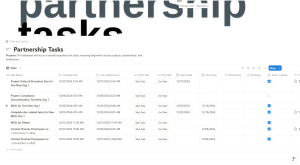
Calm the Chaos: A Task Management System That Works as Hard as You Do

Running a nonprofit is no small feat. As a leader, you’re not just managing programs and people—you’re driving change, empowering communities, and making a tangible difference in the world. But let’s be honest: the day-to-day operational challenges can often feel overwhelming. Between juggling tasks, meeting deadlines, and keeping your team on track, it’s easy to lose sight of what truly matters—your mission.

That’s where the Task Management Template comes in. Designed specifically for busy nonprofit leaders like you, this Notion-powered system is here to help you streamline operations, reduce stress, and refocus on what you do best: creating impact.

What if there was a way to simplify your workflow, so you could spend less time on administrative tasks and more time on the work that truly matters?

The Mission Matters Most 

As a nonprofit leader, your passion lies in serving your community and advancing your cause. But when you’re buried under endless to-do lists, scattered spreadsheets, and last-minute deadlines, it’s hard to stay focused on your mission.

The truth is, operational inefficiencies don’t just drain your time, they drain your energy. And when you’re stretched too thin, your team feels it too. Burnout, missed opportunities, and unclear priorities can creep in, leaving you feeling stuck and frustrated.

But what if there was a way to simplify your workflow, so you could spend less time on administrative tasks and more time on the work that truly matters?

How the Task Management Template Helps
The Task Management Template is more than just a tool. It’s a system designed to support your mission by bringing clarity and calm to your daily operations. Here’s how it works:

  1. Centralize Your Tasks: Say goodbye to scattered to-do lists and endless email threads. With the Centralized Task Hub, all your tasks live in one place. Whether it’s program planning, grant reporting, or team meetings, you’ll have everything you need at your fingertips.
  1. Prioritize with Confidence: Every day brings new challenges, but not every task is equally urgent. The template’s Daily Priority feature helps you focus on what matters most, so you can tackle high-impact tasks first and leave the rest for later.
  1. Track Your Time:Ever wonder where your time goes? With built-in Time Tracking, you can log how long tasks take, identify bottlenecks, and make smarter decisions about how to allocate your resources.
  1. Visualize Your Workflow:The template’s Custom Views let you see your tasks by day or week. Whether you prefer a calendar view, a board view, or a simple list, you’ll always have a clear picture of what’s coming up.
  1. Automate the Small Stuff:Why waste time on repetitive tasks? With One-Click Buttons, you can start and end tasks with ease, so you can focus on the big-picture work that drives your mission forward.

Imagine a Day in Your Life with the Template
Picture this: You start your morning with a clear plan, knowing exactly which tasks to prioritize. Instead of feeling overwhelmed by a never-ending to-do list, you open your Task Management Template and see everything neatly organized.

Your high-priority tasks are front and center, so you know exactly where to focus your energy. You log your time as you work, gaining insights into how long tasks really take—no more guessing or overcommitting.

By midday, you’ve already checked off your most important tasks, and you feel a sense of accomplishment. The afternoon is spent tackling smaller tasks or even carving out time for strategic thinking, thanks to the clarity the template provides.

As the day winds down, you review your progress, update your task list for tomorrow, and close your laptop with a sense of calm. No more late-night scrambling or waking up stressed about what you might have forgotten.

This isn’t just a dream. It’s what’s possible when you have the right tools in place. The Task Management Template is here to help you reclaim your time, reduce overwhelm, and focus on the work that truly matters.

Take the First Step Toward Clarity
Your mission is too important to let operational chaos hold you back. With the Task Management Template, you can simplify your workflow, empower your team, and focus on what truly matters—creating lasting change in your community.

Ready to get started? Download the template today and experience the relief of a more organized, mission-driven workflow.

🔗 Get the Template
🔗 Get Notion

Posted on Leave a comment

Streamline Your Nonprofit with Notion: A Centralized Workspace for Teams

Nonprofit organizations often juggle numerous projects, initiatives, and documents, making it challenging to stay organized and efficient. Notion offers a powerful solution as an all-in-one workspace that can bring together various tools and functions, streamlining operations and enhancing team collaboration. This blog post explores how your nonprofit can leverage Notion to centralize its activities and boost productivity.

Project Management and Task Tracking
Notion provides robust project management capabilities, enabling teams to handle all their work in a single platform. Here’s how:

  • Centralized Project Management: Manage projects, goals, calendars, and roadmaps all in one place, tailored to your team’s specific workflow.
  • Task and To-Do Lists: Tackle projects of any size with customizable task and to-do lists.
  • Customizable Views: Visualize work in various formats such as calendars and boards to fit your preferences.
  • Automation: Use database automations to handle repetitive tasks, freeing up valuable time for your team.

Enhanced Knowledge Management
A major challenge for nonprofits is managing and accessing organizational knowledge. Notion addresses this with its powerful knowledge management tools:

  • Central Knowledge Hub: Notion acts as a central repository for all organizational knowledge, replacing multiple tools like Confluence, SharePoint, and Google Drive.
  • AI-Powered Knowledge Hubs: Create a central hub where employees can easily find and understand information needed for their jobs.
  • Instant Answers with AI Q&A: Notion AI’s Q&A feature allows users to ask questions and get instant answers from the content within the workspace, providing a “perfect memory” for the team. This tool can save significant time searching for information.
  • AI Connectors: Extend the reach of your knowledge hub by accessing information from third-party apps such as Slack and Google Drive.
  • Organized Wikis: Structure wikis and documentation in a way that is easily searchable and always up to date.

Streamlined Document Creation and Collaboration
Notion is also an excellent tool for creating and collaborating on documents:

  • All-in-One Workspace: Write, plan, and capture ideas in a single space.
  • Versatile Content: Use a variety of content types to communicate ideas, from simple notes to detailed reports.
  • Team Collaboration: Share work, make comments, and mention colleagues seamlessly, facilitating effective team collaboration.
  • AI Assistance: Utilize Notion AI for editing, drafting, and translating content.

Highly Customizable and Flexible
One of Notion’s key strengths is its flexibility and customization options:

  • Customizable Pages: Create and arrange pages as needed to fit your workflow.
  • “LEGO-Style” Building Blocks: Tailor your workspace with a variety of building blocks, offering endless possibilities.
  • Customizable Layouts: Customize database layouts to display key information and organize details as required.
  • Versatile Tool: Notion is designed to be as adaptable and versatile as a piece of paper, suitable for a wide variety of use cases.


Notion for Nonprofits: Specific Use Cases
Nonprofits can benefit immensely from Notion’s flexibility:

  • Centralized Information: Create a central space to organize all the essential information for your nonprofit.
  • Multipurpose Tool: Use Notion for creating documents, tracking notes, managing knowledge bases, and handling project management.
  • Ready-Made Templates: Utilize templates to streamline the setup process for common nonprofit tasks.
  • All-in-One Solution: Notion replaces the need for multiple tools by providing a unified workspace.
  • Scalable Wikis: Build a wiki that grows with your team and organization.
  • Goal Tracking: Keep track of progress on important goals, ensuring your team stays on target.

Conclusion
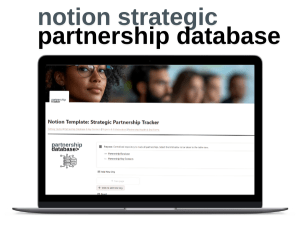
By leveraging Notion’s features, nonprofit organizations can centralize their operations, enhance team collaboration, and improve overall efficiency. Notion provides a versatile, customizable, and powerful platform for nonprofits to manage their projects, knowledge, and documents effectively, all within a single workspace. See the Strategic Partnership Tracker Template to see this in action. Start exploring Notion today to transform your nonprofit’s productivity.

Posted on Leave a comment

Streamlining for Impact: How Workflow Efficiency Transforms Nonprofit Operations

Nonprofit organizations are essential to many communities, working hard to address pressing social needs. However, like any organization, nonprofits can struggle with inefficiencies that hinder their ability to maximize their impact. While “workflow efficiency” may seem like a corporate buzzword, it’s a critical concept that can revolutionize how nonprofits operate. By optimizing processes, nonprofits can not only achieve their goals but also make a more meaningful difference in the communities they serve.

The Challenge of Inefficiency
Many nonprofits face significant challenges when it comes to resource allocation. Inefficient spending can directly diminish an organization’s ability to effect positive change. This isn’t about cutting corners, it’s about making the most of every dollar.

  • Unnecessary spending that doesn’t contribute to the organization’s mission, or that uses unstable financial methods, can quickly drain resources.
  • Poor financial management can also hamper an organization’s effectiveness. Without a clear understanding of how money is being spent, it’s difficult to make sound decisions that drive growth and impact.
  • For example, significant spending on special events can sometimes lead to financial strain, while other expenses and the cost of goods sold often correlate with revenue. This suggests that strategic spending is as important as raising funds.

The Power of Workflow Efficiency
So, how can nonprofits overcome these challenges? By focusing on workflow efficiency, organizations can streamline their operations, freeing up resources to directly advance their missions. While the sources don’t directly define “workflow efficiency”, we can infer that it’s about optimizing processes and using resources wisely. Here are the key areas where improvements can make a difference:

  • Resource Allocation: By analyzing spending and revenue data, nonprofits can identify and eliminate inefficiencies. This includes reallocating funds to more impactful areas, selecting suppliers that improve profit margins, and adjusting spending to better align with goals.
  • Financial Management: Effective financial management starts with a clear vision and strategic goals. By developing a better understanding of their financial trends and performance, nonprofits can make more informed choices about how to allocate resources and where to invest.
  • Strategic Inventory: Smart inventory management can lead to increased profits. Nonprofits that strategically sell merchandise alongside their work can experience unexpected revenue streams. This is partly because consumers are often willing to pay a premium for items sold by an organization that supports social good.
  • Event Planning: While fundraising events can be useful, overspending on events can often lead to deficits. Instead, nonprofits should consider digital or lower-cost physical options to maximize fundraising income without incurring excessive expenses. Special event spending, unlike other expenses, does not correlate positively with multiple revenue streams, making it a less versatile investment.

By focusing on workflow efficiency, organizations can streamline their operations, freeing up resources to directly advance their missions.

The Role of Technology
In today’s digital age, technology plays a vital role in driving workflow efficiency. Nonprofits should leverage technology to improve their functionality and meet the needs of the communities they serve.

  • Digital transformation can integrate technology into all areas of an organization, fundamentally changing how it operates and delivers value.
  • Using big data analytics can enhance consumer engagement and help optimize strategies.
  • Adopting digital solutions tailored to a nonprofit’s specific goals and activities is essential for success.

The Bottom Line
The research suggests that workflow efficiency is a critical factor in a nonprofit’s success. By prioritizing efficiency, nonprofits can:

  • Optimize resource allocation.
  • Enhance financial management.
  • Streamline processes through technology.
  • Maximize their impact on society.

Ultimately, improving workflow efficiency helps nonprofits ensure that more resources are directed towards their core mission. This leads to more effective programs, stronger communities, and a more positive impact on the world.

Posted on Leave a comment

5 Must-Have Tools for Managing Nonprofit Partnerships

Strategic partnerships are crucial to nonprofit success, allowing organizations to amplify their impact and accomplish shared goals. But managing multiple partnerships—each with unique tasks, documents, and communication needs—can quickly become overwhelming. That’s where the right tools come in.

Below, I’ve rounded up five must-have tools, including my Strategic Partnership Tracker built in Notion, to help your nonprofit streamline partnership management, enhance collaboration, and stay mission-focused.

Managing nonprofit partnerships can be complex, but it doesn’t have to be overwhelming.

Notion: The All-in-One Collaboration Hub
At the heart of effective partnership management lies tools like Notion, a versatile tool that centralizes your data, streamlines workflows, and keeps your team aligned. For instance, my Strategic Partnership Tracker Template harnesses Notion’s full potential to simplify nonprofit operations, making it an essential tool for managing partnerships.

Key Features for Partnership Management:

  • Centralized Partnership Database: Keep all partnership details, contact information, and agreements in one place.
  • Automated Task Repository: Automatically generate and track tasks linked to partnerships, projects, and documents.
  • Built-In Dashboards: Visualize timelines, progress, and key metrics for evaluating partnership success.
  • Collaboration-Friendly Pages: Share key documents or meeting notes with stakeholders directly in Notion.

How It Helps:
Notion reduces the need for juggling multiple apps by combining task management, document storage, and reporting into one cohesive platform.

Zoom: Seamless Virtual Meetings
Virtual meetings have become a cornerstone of modern partnerships, and Zoom remains one of the best tools for bringing people together across distances.

Key Features for Strategic Partnerships:

  • Scheduling Integration: Easily schedule meetings and share invites with your team and partners.
  • Recording & Transcripts: Save meeting recordings and transcripts for reference, ensuring no detail is overlooked.
  • Breakout Rooms: Facilitate smaller group discussions during larger partnership meetings.

How It Helps:
Zoom’s reliability and rich features make it easy to foster meaningful collaboration, whether you’re discussing project plans or finalizing agreements.

Otter: Automated Meeting Notes and Transcriptions
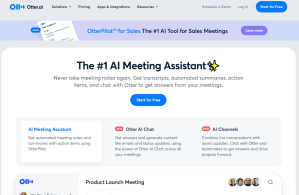
Meetings are only as useful as the follow-up actions they inspire, and that’s where Otter comes in. Otter is an AI-powered tool that transcribes meetings in real time, making it easy to capture ideas and decisions.

Key Features for Strategic Partnerships:

  • Live Transcription: Get instant meeting transcripts for faster follow-ups.
  • Highlights and Action Items: Automatically highlight key points and assign action items to team members.
  • Integrations: Sync directly with Zoom for a seamless workflow.

How It Helps:
Otter ensures that every partnership meeting is productive by eliminating the need for manual note-taking, allowing you to focus on the conversation.

Canva: Professional Design Made Easy
Visual communication is key to building trust and alignment with your partners. Canva empowers nonprofits to create stunning presentations, reports, and materials without needing an extensive graphic design background.

Key Features for Strategic Partnerships:

  • Customizable Templates: Use pre-made templates for partnership proposals, impact reports, and event invitations.
  • Collaboration Tools: Share designs with team members or partners for real-time feedback.
  • Brand Kit: Keep your nonprofit’s branding consistent across all materials.
  • Export Options: Easily share materials as PDFs, images, or slides.

How It Helps:
From crafting professional MOUs to designing impactful reports, Canva ensures your nonprofit presents itself confidently in every interaction.

Google Workspace: A Versatile and Scrappy Collaboration Suite
For nonprofits and small teams looking to make the most of their resources, Google Workspace offers a versatile, budget-friendly toolkit for communication, collaboration, and organization. Its seamless integration with Notion and other apps makes it an ideal choice for managing partnerships.

Key Features for Strategic Partnerships:

  • Google Drive: Centralized storage for documents, presentations, and reports that you can easily share with team members and partners.
  • Gmail: Professional email communication with robust features like filters, labels, and task integration.
  • Google Meet: Reliable video conferencing for virtual partnership meetings.
  • Collaboration in Google Docs, Sheets, and Slides: Work on shared documents in real time, ensuring everyone is on the same page.
  • Forms for Surveys and Feedback: Quickly gather insights from partners or internal teams.

How It Helps:
Google Workspace is a good tool for organizations that want to stay scrappy and effective, offering powerful collaboration tools without requiring a big budget or complex setup. Whether you’re sharing an MOU, coordinating a meeting, or co-editing an impact report, Google Workspace keeps everything connected and accessible.

Bringing It All Together with the Strategic Partnership Tracker
While these tools individually address key aspects of partnership management, the Strategic Partnership Tracker Template acts as your one-stop shop for bringing it all together. Whether you’re tracking agreements, managing tasks, or evaluating partnership health, this Notion template is designed to simplify your workflows and maximize your impact.


Managing nonprofit partnerships can be complex, but it doesn’t have to be overwhelming. By leveraging tools like Notion, Zoom, Otter, Canva, and Google Workspace, you can simplify your processes, enhance collaboration, and stay laser-focused on your mission.

The Strategic Partnership Tracker Template ties it all together, providing a centralized solution to manage tasks, documents, and impact evaluations seamlessly. Whether you’re just starting to build partnerships or managing multiple collaborations, this template empowers you to work smarter, not harder, so you can make a greater impact in your community.

Ready to take your partnership management to the next level? Explore the Strategic Partnership Tracker Template today and start transforming how you work with your partners.

Posted on Leave a comment

Navigating Financial Instability: Lessons from a Nonprofit’s Journey

Nonprofit organizations often walk a financial tightrope, balancing between maintaining impactful services and ensuring financial stability—a particularly challenging task during uncertain times. One such organization has experienced this firsthand, navigating through years of financial instability while staying true to its mission of providing literacy programs to underserved youth. In this blog, we explore the strategies this nonprofit has used to stabilize its finances and the lessons that other organizations can draw from their journey.

The Financial Tightrope: History and Challenges
The organization has faced financial instability dating back nearly a decade, marked by a heavy reliance on grants and contributions, fluctuating donor support, and ongoing economic uncertainties. At several points, the nonprofit’s financial reserves were dangerously low, making it challenging to plan for the future or withstand external financial pressures. Staffing costs, often making up the majority of the budget, placed further strain on the organization, particularly during economic downturns. Despite these hurdles, the organization has adapted by implementing strategic changes aimed at building resilience.

Cost-Saving Initiatives: Practical Measures for Stability
One of the key strategies the organization adopted to regain stability was implementing smart cost-saving initiatives that reduced overhead without compromising program quality. Instead of cutting critical staff, they leaned into utilizing volunteers more effectively, focusing on expanding their roles to assist with program delivery and administration (AmeriCorps – Volunteer Management; Council of Nonprofits – Volunteer Management). Additionally, the organization sought shared services with other local nonprofits—a move that allowed them to reduce costs for office resources, technology, and even administrative functions (SSIR – Creatively Combining the Back Office, Part 1; SSIR – Creatively Combining the Back Office, Part 2; SSIR – Shared Services Alliances, Part 3).

By prioritizing spending on core literacy programs while pausing non-essential initiatives, the nonprofit also managed to cut expenses strategically. This targeted approach ensured that the organization remained mission-focused, delivering value to the community while gradually rebuilding financial reserves (Bridgespan – Mission Impact).

Nonprofits must be proactive, adaptable, and creative when it comes to financial management—lessons that are especially relevant in today’s unpredictable landscape.

Strategic Fundraising: Shifting to Long-Term Sustainability
In addition to reducing expenses, the nonprofit also increased board engagement in fundraising, providing board members with training and clear expectations for their involvement in donor outreach (BoardSource – Fundraising and the Board). This shift not only increased the amount of funds raised but also helped build a culture of shared responsibility for the organization’s financial health.

The organization now needs to take deliberate steps to bolster its income by focusing on diversifying revenue streams. There are inherent risks with over-relying on grants, and the organization would greatly benefit from developing corporate partnerships, exploring earned income opportunities, and re-engaging lapsed donors with tailored campaigns. One of the most impactful moves could be to launch a monthly giving program to stabilize contributions and make revenue more predictable over time (Nonprofit Quarterly – Revenue Diversification).

Lessons for Other Nonprofits
The journey of this nonprofit offers several key takeaways for other organizations facing financial instability:

  • Lean Into Volunteers and Shared Services: When budgets are tight, relying more on volunteers and partnering with other organizations can help ease financial strain while maintaining impact.
  • Prioritize Spending on Mission-Critical Activities: Identify areas where spending directly impacts your mission and make those areas a financial priority, while pausing or delaying other initiatives.
  • Engage the Board in Fundraising: Getting the board actively involved in fundraising helps broaden the pool of potential donors and shows that financial health is a collective responsibility.
  • Build Predictable Revenue Streams: Programs like monthly giving provide consistency, helping to reduce reliance on uncertain grants and one-time contributions.

Looking Forward
Financial stability remains an ongoing effort for this organization, but by focusing on cost-saving measures, strategic fundraising, and strengthening community partnerships, it has started to create a more resilient foundation. Nonprofits must be proactive, adaptable, and creative when it comes to financial management—lessons that are especially relevant in today’s unpredictable landscape.

What are some cost-saving initiatives or strategies that have worked for your organization or you would like to implement within your organization?

Posted on Leave a comment

Breaking Free from Operational Overwhelm: The Power of Streamlined Workflows for Nonprofit Success

You’re up late again, staring at your computer screen, trying to make sense of all the moving pieces that keep your nonprofit afloat. The to-do lists grow longer, tasks seem to overlap, and your team, while passionate, is struggling to keep things on track. It’s frustrating. As a leader committed to making a difference, the last thing you want is for inefficiencies to get in the way of your mission.

Yet, here you are—pulled in every direction, constantly putting out fires. And you can’t help but wonder, “Is there a better way?” The answer is yes, and it starts with streamlining your workflows.

The Hidden Stress of Inefficient Operations
For many nonprofit leaders like you, inefficiency is a silent stressor. It sneaks in during your busiest moments, making everything feel harder than it should be. What should be a quick task turns into a drawn-out process because of unclear responsibilities or outdated systems. Deadlines slip, miscommunications pile up, and suddenly your team is scrambling to make things work.

Inefficient workflows aren’t just frustrating—they’re exhausting. They drain your energy, your time, and your focus. And perhaps worst of all, they pull you away from the heart of your work: serving your community and making an impact.

If this sounds familiar, you’re not alone. Many nonprofit leaders find themselves caught in this cycle of operational overwhelm, where the day-to-day grind leaves little room for the big-picture thinking and strategic planning that your mission deserves.

Why Streamlining Your Workflows Matters
When your workflows are inefficient, it’s like driving with the emergency brake on. You’re moving forward, but every inch takes more effort than it should. And over time, the strain on you and your team becomes unsustainable.

Streamlining your workflows doesn’t just remove these roadblocks—it creates a sense of calm and clarity. Imagine knowing that tasks are being handled smoothly, that your team knows exactly what’s expected of them, and that communication flows seamlessly across your organization. No more scrambling to meet deadlines or feeling like you’re constantly behind.

A well-designed workflow allows you to reclaim your time and energy. It frees you to focus on leading with intention rather than reacting to the chaos of the day. And ultimately, it empowers your team to work more efficiently and collaboratively, so you can all focus on what truly matters: advancing your mission.

The First Step: Process Mapping
The first step in streamlining your workflows is understanding where the bottlenecks are. This is where process mapping comes in. By taking a close look at how tasks move through your organization, you can identify where things are breaking down.

Maybe certain approvals are slowing things down. Or perhaps team members are unclear on who’s responsible for what. Often, inefficiencies hide in the spaces between tasks—when one person finishes their part but the next person isn’t aware or ready to step in. These small delays add up quickly, creating stress and frustration for everyone involved.

With process mapping, you get a clear picture of your current operations, so you can start to see where improvements can be made.

Designing Workflows That Work for You
Once you’ve identified the problem areas, it’s time to redesign your workflows. This might sound daunting, but it doesn’t have to be. Think of it as an opportunity to remove friction from your operations. By simplifying processes and introducing tools that help things run more smoothly, you can create a workflow that works for you, not against you.

Tools like Asana, Monday.com, or Airtable can help automate some of the more repetitive tasks, so your team spends less time on manual work and more time focusing on high-impact activities. But it’s not just about the tools—it’s about creating a process that makes sense for your unique needs.

At the heart of any good workflow is clarity. Everyone on your team should know what they’re responsible for, when it needs to be done, and how their work fits into the larger picture. When you have that level of transparency, it’s easier for everyone to stay aligned and avoid the frustrations that come from miscommunication or dropped tasks.

When workflows are inefficient, it’s like driving with the emergency brake on—you’re moving forward, but every inch takes more effort than it should.

Training Your Team to Thrive in New Systems
Of course, even the best-designed workflows won’t help if your team isn’t equipped to use them. That’s why training and implementation are so important. It’s not enough to simply introduce a new tool or process—you need to ensure your team feels confident using it.

This might mean hosting workshops to walk them through the new system, offering ongoing support as they adjust, or creating a shared resource where they can ask questions and troubleshoot. The goal is to make sure everyone is on the same page, so the changes you’ve worked so hard to implement actually stick.

Maintaining Efficiency Over Time
Once you’ve streamlined your workflows, it’s important to keep them running smoothly as your organization grows and evolves. A workflow that worked perfectly when your team was five people might need adjustments once you’re managing 15. That’s why periodic workflow audits are so valuable—they allow you to catch new inefficiencies before they become major problems.

By regularly reviewing your workflows, you can ensure that your systems stay aligned with your goals, even as those goals shift or expand. This ongoing attention to your operations will help your nonprofit remain flexible, adaptable, and resilient in the face of change.

Moving from Overwhelm to Empowerment The reality is, leading a nonprofit is hard work. You’re constantly balancing competing priorities, managing limited resources, and trying to make a meaningful impact. But that doesn’t mean it has to feel overwhelming every day.

By taking steps to streamline your workflows, you’re not just making your day-to-day operations easier—you’re creating space for you and your team to focus on what really matters. You’re building a foundation that allows you to lead with confidence and clarity, knowing that your nonprofit is running efficiently and effectively.

So, if you’re tired of feeling like you’re constantly playing catch-up, let’s talk. Together, we can map out a path to greater efficiency, reduced stress, and a more sustainable, impactful future for your nonprofit.

Posted on Leave a comment

Maximizing Impact with Limited Resources

Nonprofits often face the challenge of maximizing impact with limited resources. Balancing mission-driven goals with financial constraints requires creativity, strategic planning, and efficient resource management. For leaders of small nonprofits, finding ways to stretch resources can significantly enhance your organization’s ability to achieve its mission. In this blog post, we’ll explore the importance of maximizing impact with limited resources, discuss its benefits, and provide practical strategies to make the most of your resources and drive meaningful change.
Efficient resource management helps stretch your budget and ensure that every dollar, hour, and asset contributes to your nonprofit’s mission, enhancing both financial sustainability and program effectiveness.

Understanding Resource Maximization
Resource maximization involves optimizing the use of available resources to achieve the greatest possible impact. This includes financial resources, human resources, and physical assets. Effective resource management ensures that every dollar, hour, and asset contributes to your organization’s mission. Key elements and practical strategies of successful resource maximization include:

  1. Strategic Planning: Setting clear priorities and goals is essential. Strategic planning involves identifying the most critical areas of your mission and focusing your resources on activities that align with these priorities. Consider shifting from traditional three- to five-year strategic plans to strategic frameworks that outline organizational priorities, business plans integrating programmatic and operational goals with financial forecasts, and robust annual plans with clear metrics and timelines. For an example of a strategic framework in practice, review this one from BoardSource.
  2. Adaptability and Resilience: Operations have shifted from achieving scale for efficiency to focusing on adaptability and resilience, with the future emphasizing operational optionality closely integrated with strategy. In their HBR article, “Operations in an Era of Radical Uncertainty,” institutions “have focused more on ensuring their operations and strategies were adaptive to changing and unforeseen circumstances, with resilience driving outperformance.”
  3. Collaboration: Leveraging partnerships and volunteer support to expand your capacity is key. Collaboration goes beyond resource sharing; it involves building trust, mutual respect, and a common vision among partners. “Effective collaboration requires clear communication, shared goals, and the willingness to adapt to new approaches.”
  4. Innovation: Implementing creative solutions and technologies to maximize impact can transform your operations. Use technology to enhance communication, program delivery, and data management. “Smart nonprofits are leveraging technology not just to improve efficiency, but to fundamentally reimagine how they operate and deliver value.” “What automation can improve is the experience of work,” allowing staff to focus on more impactful activities and high-value tasks that drive mission success.
  5. Evaluation: Continuously assessing and improving your resource use ensures ongoing effectiveness. “Tracking the right resource metrics is crucial for understanding how well your resources are being utilized and where adjustments are needed.” Key performance indicators (KPIs) such as resource utilization, project profitability, and capacity planning can provide valuable insights into optimizing resource allocation and usage. Regularly evaluate the impact of your activities and adjust your strategies as needed.


Benefits of Maximizing Impact with Limited Resources
Maximizing impact with limited resources offers numerous benefits for your nonprofit. Firstly, it enhances financial sustainability. Effective resource management helps stretch your budget and ensure that funds are used effectively. Conversely, neglecting efficient resource management can lead to financial instability, causing your organization to struggle to meet its goals and potentially leading to cuts in essential programs.

Resource maximization also supports program effectiveness. By prioritizing impactful activities and streamlining operations, you can deliver high-quality programs and services with fewer resources. Without this focus, your programs may suffer from inefficiencies, reducing their quality and the benefits they provide to your clients.

Additionally, maximizing resources fosters innovation and creativity. Finding new ways to achieve goals with limited means encourages innovative thinking and problem-solving. On the other hand, a lack of innovation can lead to stagnation, making it difficult for your nonprofit to adapt to changing circumstances and continue delivering effective services.

Moreover, effective resource use builds trust with donors and stakeholders. Demonstrating that your organization is financially responsible and impact-focused increases credibility and support. Failing to manage resources effectively can erode this trust, making it harder to secure funding and support for your initiatives.

Make the Most of Your Resources
Maximizing impact with limited resources is a common challenge for nonprofits. By understanding its importance, recognizing its benefits, and implementing practical strategies, you can make the most of your resources and drive meaningful change. Start by setting clear priorities, streamlining processes, leveraging partnerships, implementing creative solutions, and continuously assessing and improving your resource use.
  • Set clear priorities and goals to focus on critical mission areas.
  • Adapt operations to be resilient and flexible in the face of change.
  • Leverage partnerships and volunteer support to expand capacity.
  • Implement creative solutions and technologies to maximize impact.
  • Continuously assess and improve resource use through regular evaluation.
Ready to Maximize Your Nonprofit’s Impact with Limited Resources? If you’re ready to maximize your nonprofit’s impact with limited resources, contact us today to learn more about our tailored support services. Together, we can help you optimize your resources and achieve your mission with greater efficiency and effectiveness.
Posted on Leave a comment

Preparing for Fiscal Year-End Closing

Fiscal year-end closing is a critical process for nonprofits, ensuring that financial records are accurate, complete, and compliant with regulations. Proper preparation for year-end closing helps maintain financial health and provides valuable insights for strategic planning. For leaders of small nonprofits, effectively managing the year-end closing process can significantly enhance financial stability and transparency. In this blog post, we’ll explore the importance of fiscal year-end closing, discuss its benefits, and provide practical strategies to ensure a smooth and efficient year-end closing process.


Understanding Fiscal Year-End Closing
Fiscal year-end closing involves finalizing all financial transactions and records for the fiscal year, ensuring that all income, expenses, assets, and liabilities are accurately recorded. This process is essential for preparing financial statements, conducting audits, and maintaining compliance with accounting standards and regulatory requirements. Key elements and practical strategies of a successful fiscal year-end closing include:

  1. Reconciliation: Reconciliation involves comparing your financial records with external statements to identify and resolve discrepancies. It’s crucial for ensuring the accuracy of your financial records. By comparing your internal financial records with external documents such as bank statements, vendor invoices, and other financial statements, you can ensure that all transactions have been accurately recorded. This helps in identifying any discrepancies that need to be resolved before finalizing your financial statements. A detailed guide on the importance and process of reconciliation can be found in Accounting Reconciliation 101.
  2. Accruals and Adjustments: Accrual accounting records expenses and income when they are incurred, not when cash is exchanged. This provides a more accurate financial picture, reflecting the true financial position of your organization. For nonprofits, understanding the difference between cash and accrual accounting is crucial for accurate financial reporting and compliance. Accrual accounting includes recording revenues when earned and expenses when incurred, regardless of when cash transactions occur. This method provides a more accurate picture of the organization’s financial health. To learn more, read about Nonprofit Cash vs. Accrual Accounting.
  3. Financial Statements: Preparing financial statements, including the balance sheet, income statement, and cash flow statement, is essential for depicting your organization’s financial health. These statements provide a snapshot of your financial activities over the fiscal year and are critical for stakeholders to understand the financial position and performance of the organization. The Financial Accounting Standards Board (FASB) has specific standards for nonprofit financial reporting, which aim to improve the transparency and consistency of financial information. For details, refer to the Journal of Accountancy’s summary and the actual FASB Standard ASU 2016-14.
  4. Documentation: Ensuring all financial documentation is complete and organized supports accuracy and facilitates audits. Proper documentation includes maintaining accurate records of all financial transactions, including invoices, receipts, contracts, and other pertinent documents. This not only supports the accuracy of financial records but also ensures compliance with regulatory requirements and makes the audit process smoother. The Council of Nonprofits provides guidelines for document retention policies, and you can find a sample record retention policy to help structure your documentation processes.
  5. Audit Preparation: Preparing for external audits involves providing accurate and complete financial records. This process includes ensuring that all financial records are well-organized and easily accessible to auditors. Proper preparation can help reduce the time and cost associated with audits and improve the accuracy and reliability of your financial reporting. For more information on how to prepare for a nonprofit audit, read this blog post on nonprofit audits.
  6. Engaging Stakeholders: Engaging your board of directors and key stakeholders ensures transparency and accountability. Regularly communicating financial progress and involving stakeholders in financial decision-making processes is crucial for maintaining trust and support. Effective stakeholder engagement can enhance the governance of your nonprofit and improve strategic decision-making. Learn more from the Bridgespan Stakeholder Engagement Toolkit and the full toolkit document.

Benefits of Effective Year-End Closing
Moving Forward with Confidence Preparing for fiscal year-end closing is crucial for maintaining financial health and compliance in nonprofits. By understanding its importance, recognizing its benefits, and implementing practical strategies, you can ensure a smooth and efficient year-end closing process for your organization. Start by creating a checklist, reconciling accounts, recording accruals, preparing financial statements, organizing documentation, preparing for audits, and engaging stakeholders.
  • Create a year-end closing checklist that outlines all necessary tasks and deadlines.
  • Reconcile all accounts to ensure accuracy.
  • Record any necessary accruals and adjustments.
  • Prepare comprehensive financial statements.
  • Ensure all financial documentation is complete and organized.
  • Prepare for external audits by providing accurate and complete financial records.
  • Engage the board of directors and key stakeholders in the year-end closing process.
Enhance Your Year-End Closing with Lavender Eucalyptus
Ready to bring calm and clarity to your nonprofit’s year-end closing process? Contact Lavender Eucalyptus, LLC today to learn how our tailored support services can help you achieve financial stability and transparency. Let’s work together to ensure your nonprofit’s success.
Posted on Leave a comment

The Integral Role of Member Feedback in Elevating Housing Cooperative Financial Health

At the heart of any successful housing cooperative is the active participation of its members. Recognizing the diversity of skills within a cooperative community is the first step. Among your members, there are likely individuals with a wealth of experience in finance, property management, and other relevant fields. Creating forums where these insights can be shared and discussed not only enhances the decision-making process but also fosters a sense of ownership and commitment across the board.

Enhancing Financial Transparency and Trust

Transparency in financial matters is a non-negotiable element of trust within housing cooperatives. By instituting regular, open forums where financial strategies, challenges, and triumphs are shared and dissected, cooperatives can demystify the often complex world of financial planning. This not only educates members on the intricacies of financial management but also invites constructive feedback and innovative ideas.

For example, a cooperative facing budget constraints for routine maintenance might discover, through member discussions, alternative repair strategies or cost-saving measures previously unconsidered. Likewise, a discussion on investment strategies might reveal member support for more sustainable, long-term investment options that align with the cooperative’s values and financial goals.

Strategies for Effective Financial Feedback and Engagement

  1. Regular Financial Forums: Schedule regular meetings dedicated to discussing the cooperative’s financial health, upcoming budget considerations, and strategic financial planning. Ensure these are well-advertised and accessible, encouraging a high level of participation.
  2. Online Platforms for Continuous Dialogue: Leverage technology to maintain an ongoing conversation. Online forums or dedicated social media groups can keep the conversation going, allowing members to share ideas, concerns, and suggestions at their convenience.
  3. Surveys for Targeted Feedback: Utilize surveys to gather specific insights from the cooperative’s membership on important financial decisions or potential changes in financial policy. This can help guide the board’s decisions with a clear understanding of member preferences and concerns.
  4. Workshops and Educational Sessions: Offer workshops led by financial experts or experienced members to enhance financial literacy within the cooperative. This empowers members to provide more informed feedback and feel more engaged in financial discussions.
  5. Open Financial Documents: Make all financial documents, budgets, and reports accessible to members. This transparency ensures members are fully informed, fostering a trusting environment conducive to constructive feedback.

Consider the example of a housing cooperative that found itself struggling with unexpected repair costs that threatened to deplete its reserves. By holding an emergency forum and inviting member input, the cooperative discovered that several members had relevant skills and connections that yielded cost-effective repair solutions. Furthermore, the discussion led to the development of a more robust reserve fund strategy, integrating member-suggested investment approaches that offered higher returns with manageable risk.

The collective voice of a cooperative’s membership is among its most valuable assets. By cultivating platforms for financial feedback and engagement, housing cooperatives can not only ensure more democratic and inclusive management but also leverage the diverse talents and insights of their community for superior financial planning and execution. It is in this collective engagement that cooperatives can find their greatest strength, navigating challenges with agility and innovating for a sustainable future. Engage, empower, and elevate. Your cooperative’s financial health depends on it.